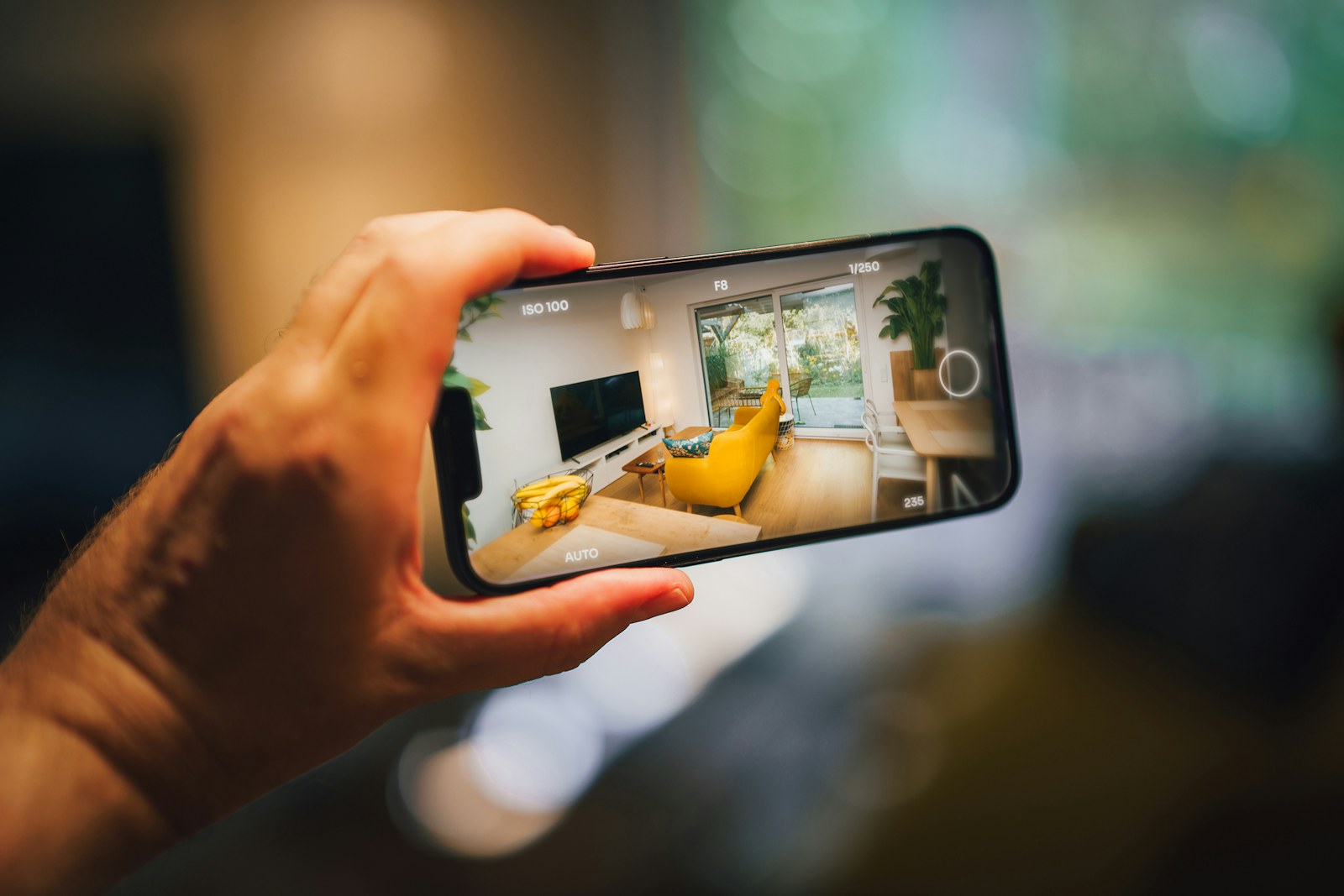
A home inventory is not a perfect catalogue of every spoon. It is a record you can find during a move, loss, damage, or an insurance conversation. Ready.gov advises documenting possessions, storing the record safely, and checking coverage with the insurer. Evidence rules and claims requirements vary by country and policy, so use this as an organisation method—not a promise of reimbursement.
Make a short room route
List spaces in the order you will walk them: entrance, living room, kitchen, bedrooms, storage, then balcony or garage if relevant. Give each room a code such as R01. This prevents jumping around and duplicate images. For example, R02-03 can mean the third photograph in the living room.
Photograph in three layers
Take one wide view from the doorway, then groups such as a shelf or drawer, then useful details of important items. Capture the back or model and serial label when relevant. Do not expose house keys, alarm codes, identity documents, medication labels, or other private information in shared images.
Record what the image cannot show
For significant items, note a neutral description, room, brand or model if known, serial number where useful, and receipt or purchase source if available. Do not invent a price or date; write ‘unknown’ and leave room to update. Receipts or valuations may help, but the policy and provider determine acceptable evidence.
Move the record beyond the phone
Put photographs and the table in one folder, then copy them to a second protected location. The phone should not be the only copy because it may be part of the same loss. Use a strong lock, available encryption, recoverable account details, and never publish the folder link.
Test retrieval and schedule an update
Open one backup from another device, or restore a harmless test file. Set a review for six months, and after a major purchase, move, or policy change. Do not reshoot the whole home: add new items, mark removed ones, and keep an updated date.
A useful inventory is findable and maintainable
Walk room by room, combine context with detail, record facts without guessing, and keep a protected copy away from the phone. Check the actual policy and provider for evidence requirements; this guide does not determine coverage or compensation.
Sources and scope
Ready.gov’s official resources and the photograph’s licence were checked on 19 October 2026. Evidence, privacy, and insurance rules vary by country and contract.